
A Closer Look at Chicken Processing in India: From Farm to Table
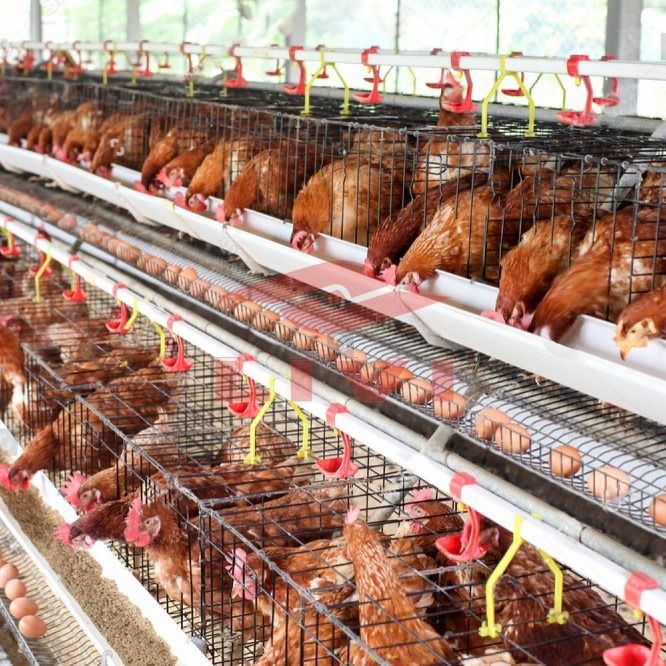
Chicken consumption has seen a remarkable surge in India, making it a staple in many households across the country. This growing demand has led to a flourishing chicken processing industry that plays a crucial role in ensuring a steady supply of poultry products. In this blog post, we’ll delve into the various stages of chicken processing in India, shedding light on the journey from farm to table.
1. Poultry Farming:
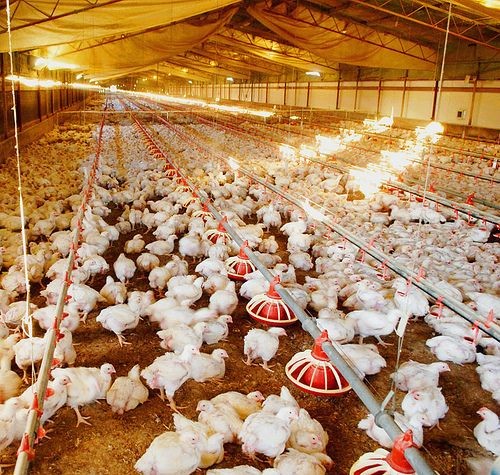
The process begins at poultry farms, where chickens are raised for meat production. These farms adhere to strict guidelines to ensure the birds’ well-being, focusing on factors such as nutrition, housing conditions, and disease prevention. Modern poultry farms employ advanced technologies to monitor and optimize chicken growth, ensuring a consistent supply of healthy birds for processing.
2. Slaughtering and Processing:
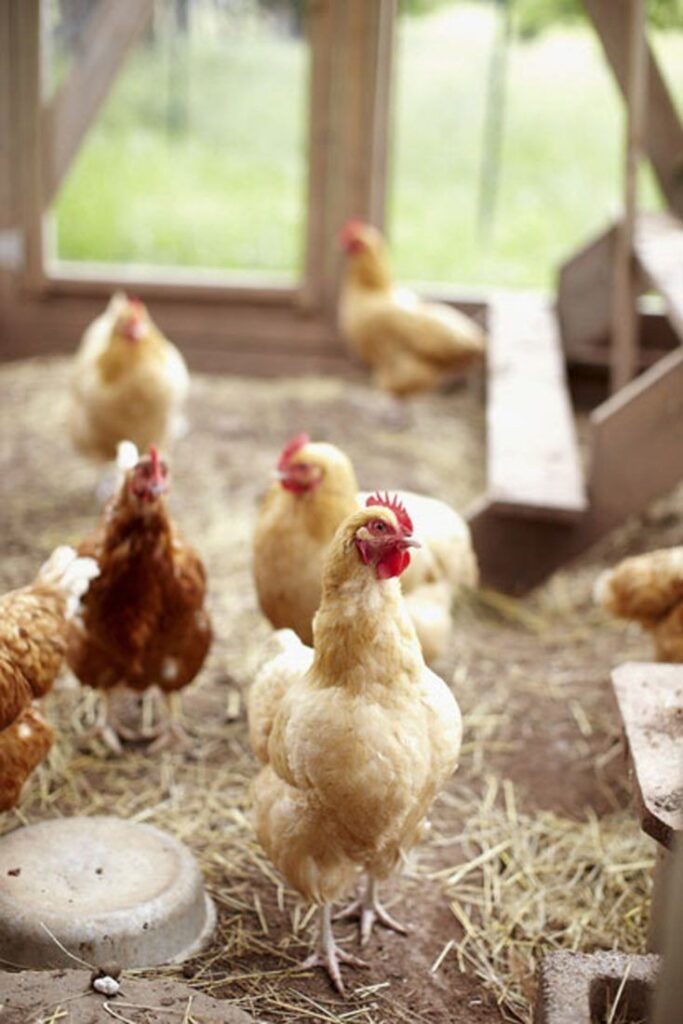
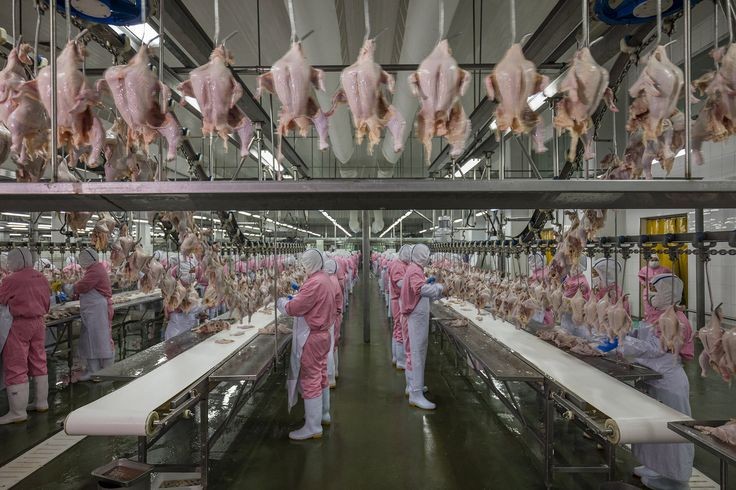
Once the chickens reach their optimal weight, they are transported to processing plants. Slaughtering involves humane methods to minimize stress and ensure ethical treatment. The processing plants are equipped with cutting-edge machinery to efficiently handle various tasks, including defeathering, evisceration, and portioning. Strict hygiene standards are maintained to prevent contamination and ensure the safety of the final product.
3. Quality Control and Inspection:
Stringent quality control measures are implemented throughout the processing chain. Trained inspectors monitor each stage to ensure compliance with safety regulations and product quality standards. Samples are regularly tested for bacterial contamination, ensuring that only safe and high-quality chicken products reach consumers.
4. Packaging and Distribution:
After processing, the chicken products are packaged according to different specifications, including whole birds, cuts, and packaged parts. Packaging plays a vital role in preserving freshness and extending shelf life. Modern packaging techniques, such as vacuum sealing and modified atmosphere packaging, help maintain product quality during transportation and storage.
5. Retail and Consumption:
Processed chicken products make their way to retail outlets, supermarkets, and local markets across the country. The variety of chicken cuts and convenience products cater to the diverse culinary preferences of Indian consumers. From traditional recipes to modern fusion dishes, chicken has become a versatile ingredient in Indian cuisine.
6. Environmental Considerations:
The chicken processing industry is not without its environmental challenges. Waste management, water usage, and energy consumption are key areas where sustainability practices are being emphasized. Efforts are being made to adopt eco-friendly technologies, reduce resource consumption, and minimize the industry’s ecological footprint.
Conclusion:
Chicken processing in India is a dynamic and evolving industry that contributes significantly to the country’s food supply chain. From the careful nurturing of birds on poultry farms to the rigorous quality control measures at processing plants, every step is crucial in ensuring safe, nutritious, and delicious chicken products for consumers. As the industry continues to grow, an increasing focus on sustainability and ethical practices will play a pivotal role in shaping its future.